
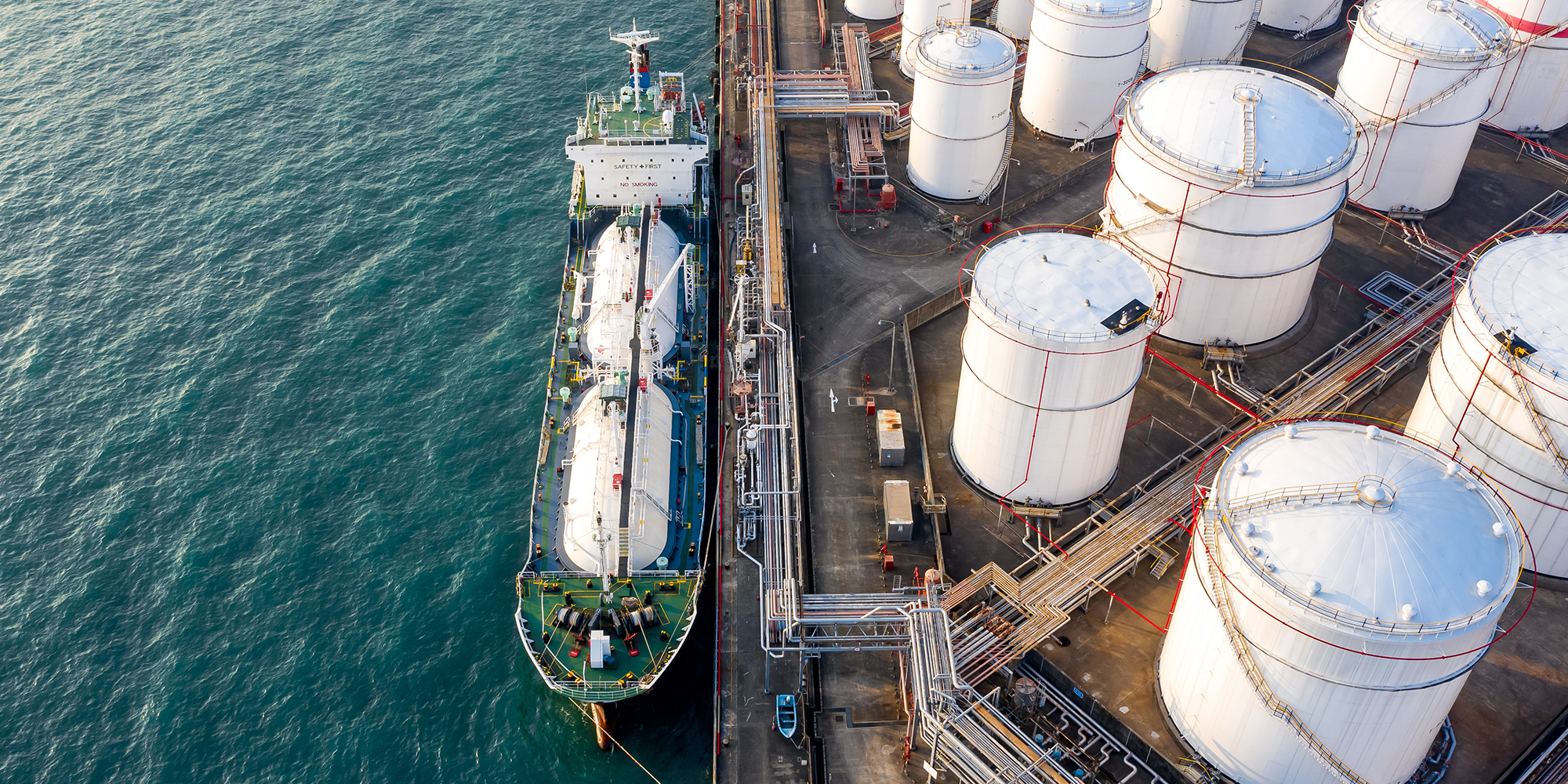
Introduction: The Growing Demand for LPG
Liquefied Petroleum Gas (LPG) has become a vital energy source for households, businesses, and industries. It offers an eco-friendly alternative to traditional fuels like coal and firewood, and its clean-burning nature makes it ideal for domestic cooking, industrial heating, and transportation. As demand for LPG continues to rise across Africa and globally, the importation and bulk supply of LPG play a critical role in ensuring a consistent and affordable energy supply. In this article, we explore the essentials of LPG importation, bulk distribution, and best practices to manage the growing demand.
What is LPG?
LPG is a flammable mixture of hydrocarbons, primarily propane and butane. It is stored in pressurized tanks or cylinders and used in several sectors:
- Domestic Use: For cooking, heating, and hot water systems.
- Commercial and Industrial Use: Powering boilers, generators, and heating applications.
- Automotive Use: Used as autogas, a cleaner alternative to petrol and diesel.
Importation Process of LPG
Due to limited domestic production, many countries import LPG to meet demand. Importing LPG involves several stages:
- Sourcing LPG:
LPG is purchased from international producers or refineries based in countries with significant gas production capacity, such as the Middle East or Europe. - Shipping LPG:
LPG is transported in liquefied form via specialized vessels equipped with pressurized tanks. These vessels ensure safe transportation and minimize product loss during transit. - Port Handling and Storage:
Once LPG reaches its destination, it is unloaded at designated terminals or storage facilities. These facilities maintain strict safety protocols due to LPG’s flammable nature. - Customs and Compliance:
Importers must comply with local regulations, including customs clearance, safety standards, and environmental guidelines to ensure a smooth importation process.
Bulk Supply of LPG
Once imported, LPG is distributed in bulk to customers through a well-organized supply chain. Bulk supplies are crucial for meeting the needs of industries, businesses, and energy distributors. Key components of the bulk supply chain include:
- Storage and Distribution Terminals:
Large LPG storage facilities serve as hubs for receiving imports and distributing LPG further inland. - Transportation Logistics:
LPG is transported to different regions using road tankers or rail tankers, ensuring timely deliveries to distributors and commercial customers. - Cylinder Refilling Plants:
Bulk LPG is also transferred to refilling plants, where it is filled into smaller cylinders for household and commercial customers. - Direct Supply to Large Consumers:
Some industrial customers prefer bulk deliveries of LPG, stored in large tanks at their facilities for uninterrupted operations.
Importance of LPG Bulk Supply and Distribution
- Reliable Energy Source:
Bulk LPG supply ensures businesses and industries have access to reliable energy, minimizing downtime caused by fuel shortages. - Cost-Effectiveness:
Importing and distributing LPG in bulk lowers transportation costs and ensures price stability for customers. - Environmentally Friendly Energy:
LPG emits fewer pollutants compared to traditional fuels, making it a preferred energy option for eco-conscious industries and households.
Challenges in LPG Importation and Bulk Supply
- Fluctuating Market Prices:
LPG prices are tied to global energy markets, leading to price volatility. Importers and distributors need flexible pricing strategies to manage this challenge. - Infrastructure Limitations:
Countries with inadequate storage and distribution infrastructure may face challenges in meeting growing demand. Investment in modern storage terminals and logistics networks is crucial. - Safety Concerns:
LPG handling and transportation require strict adherence to safety protocols. Any mishandling can result in fire hazards or accidents. - Regulatory Compliance:
Importers must stay updated with changing regulations related to customs, environmental standards, and safety requirements to avoid delays or penalties.
Best Practices for LPG Importation and Bulk Supply
- Build Strong Supplier Partnerships:
Collaborate with reliable international suppliers to ensure consistent product availability and competitive pricing. - Invest in Storage Facilities:
Develop modern storage facilities at key locations to reduce transportation delays and maintain product availability. - Optimize Transportation Routes:
Use advanced logistics management systems to optimize delivery routes, ensuring efficient bulk distribution to end-users. - Implement Safety Protocols:
Train staff on proper LPG handling and ensure compliance with safety regulations at every stage of the supply chain. - Adopt Smart Pricing Strategies:
Offer fixed or floating pricing models to help customers manage price fluctuations and ensure long-term business relationships.
Opportunities in the LPG Market
The rising demand for clean energy presents significant growth opportunities for LPG importers and distributors:
- Expanding Domestic Markets:
Increased urbanization and a shift toward clean energy sources are driving demand for LPG in households and industries. - Commercial and Industrial Adoption:
More industries are adopting LPG as an alternative to diesel and heavy fuel oil for heating and energy needs. - Government Initiatives:
Many governments are promoting LPG adoption through subsidies and policies aimed at reducing reliance on traditional biomass fuels. - Regional Trade Growth:
Cross-border trade agreements offer opportunities to expand LPG distribution to neighboring countries, enhancing regional energy security.
Conclusion
LPG importation and bulk supply play a critical role in meeting the growing energy needs of households, businesses, and industries. With efficient logistics, proper storage infrastructure, and adherence to safety protocols, importers and distributors can ensure uninterrupted fuel supply and competitive pricing. As demand for LPG continues to rise, businesses that adopt best practices in their supply chain will be well-positioned to thrive in this expanding market.