
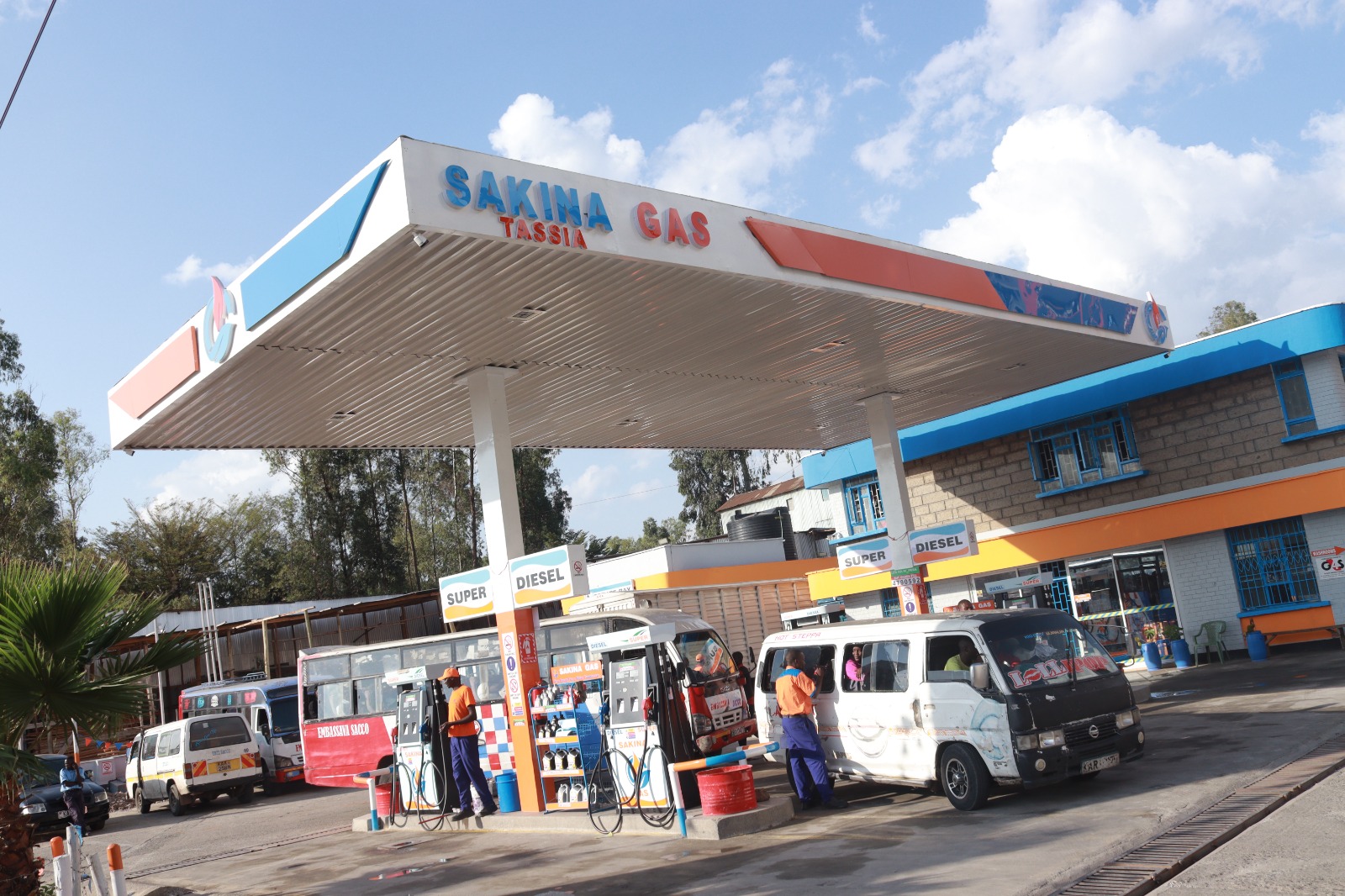
Introduction to Bulk Fuel Supply and Distribution
Bulk fuel supply and distribution play a vital role in meeting the energy demands of various sectors, including transportation, agriculture, and industry. As the backbone of the fuel industry, this process involves delivering large quantities of fuels such as gasoline, diesel, kerosene, and heating oil to distributors and independent fuel stations. In today’s fast-paced market, efficiency, reliability, and compliance with regulations are critical for maintaining a competitive edge. This article will delve into the intricacies of bulk fuel supply and distribution, covering processes, key players, challenges, and industry trends to help distributors and independent stations optimize their operations.
Understanding Bulk Fuel Supply
Bulk fuel supply refers to the procurement and transportation of fuel in large quantities, typically measured in gallons or liters. This supply method is preferred for its cost-effectiveness and efficiency, allowing distributors and independent stations to meet customer demands without excessive inventory costs. The primary types of fuels supplied in bulk include:
- Gasoline: Widely used in vehicles, gasoline is essential for both commercial and residential fuel needs.
- Diesel: A crucial fuel for transportation and industrial machinery, diesel is in high demand across various sectors.
- Kerosene: Commonly used for heating and aviation, kerosene is a vital fuel in specific markets.
- Heating Oil: Primarily used in residential and commercial heating systems, heating oil is another important bulk fuel.
Understanding the characteristics and applications of these fuels is essential for distributors and independent stations to tailor their services effectively.
The Distribution Process
The distribution of bulk fuels involves several key steps that ensure a seamless supply chain. Here’s an overview of the typical distribution process:
- Fuel Procurement:
Distributors source fuels from refineries or bulk terminals, establishing relationships with suppliers for reliable supply. - Transport Logistics:
Bulk fuels are transported via tank trucks or railcars, requiring careful coordination to ensure timely delivery. - Storage Management:
Efficient storage systems are essential for maintaining fuel quality and availability. Distributors must regularly monitor inventory levels to prevent shortages. - Delivery to Stations:
The final step involves delivering the fuel to independent stations and other clients, ensuring adherence to safety and environmental regulations.
Understanding each step of the distribution process is crucial for maintaining efficiency and reliability in operations.
Key Players in Bulk Fuel Supply and Distribution
Several key players are involved in the bulk fuel supply chain, including:
- Refineries:
These facilities process crude oil into various fuel types and are the primary sources for bulk fuels. - Wholesalers and Distributors:
Acting as intermediaries, wholesalers and distributors purchase fuel in bulk and deliver it to retail stations and other clients. - Independent Fuel Stations:
These stations rely on bulk fuel distributors to maintain their fuel supplies, offering services to local consumers and businesses. - Transportation Companies:
These companies specialize in moving bulk fuels, ensuring safe and timely delivery to distribution points.
Each of these players has a significant role in ensuring a smooth and efficient fuel supply chain.
Challenges in Bulk Fuel Supply and Distribution
Despite its importance, bulk fuel supply and distribution face several challenges that can impact operations:
- Regulatory Compliance:
The fuel industry is heavily regulated, requiring distributors to stay compliant with safety, environmental, and operational standards. - Market Volatility:
Fluctuations in fuel prices can impact profitability, making it essential for distributors to manage costs effectively. - Logistical Complexities:
Coordinating transportation, storage, and delivery can be challenging, especially during peak demand periods. - Quality Control:
Maintaining fuel quality throughout the supply chain is crucial to prevent contamination and ensure customer satisfaction.
Addressing these challenges requires careful planning, proactive management, and the adoption of best practices.
Best Practices for Efficient Bulk Fuel Distribution
To optimize bulk fuel supply and distribution, distributors and independent stations should consider implementing the following best practices:
- Invest in Technology:
Utilize advanced tracking and inventory management systems to monitor fuel levels, deliveries, and quality. - Develop Strong Supplier Relationships:
Building long-term partnerships with reliable suppliers ensures a consistent fuel supply and better pricing options. - Implement Safety Protocols:
Establish comprehensive safety measures to prevent spills and accidents during transportation and storage. - Enhance Logistics Planning:
Streamline logistics operations by optimizing delivery routes and schedules, reducing costs, and improving efficiency.
By adopting these best practices, distributors can enhance their operational efficiency and customer service.
Future Trends in Bulk Fuel Supply and Distribution
The bulk fuel supply and distribution industry is evolving, with several trends shaping its future:
- Sustainability Initiatives:
An increasing focus on environmental sustainability is driving the adoption of biofuels and alternative energy sources. - Digital Transformation:
Technology is revolutionizing the industry, with innovations in fuel tracking, automation, and data analytics enhancing operational efficiency. - Evolving Customer Preferences:
As consumers become more environmentally conscious, there is a growing demand for cleaner, renewable fuel options. - Regulatory Changes:
The ongoing evolution of regulations surrounding emissions and environmental standards will impact bulk fuel operations significantly.
Staying informed about these trends will help distributors and independent stations adapt and thrive in a changing marketplace.
Conclusion
Bulk fuel supply and distribution are critical components of the energy landscape, enabling distributors and independent stations to meet customer demands efficiently. Understanding the processes, challenges, and best practices involved in bulk fuel operations can significantly enhance efficiency and profitability. By leveraging technology, maintaining regulatory compliance, and adapting to industry trends, fuel distributors can ensure a successful future in this essential sector.